Verified destination guides

Choose a real place to stargaze

Start with access reality, then check whether the current state-level sky signal justifies the trip.

These guides use official destination sources and traveler-facing cautions. They do not claim coordinate-level forecast precision.

Ten researched stargazing destinations

Official access research, realistic expectations, and a forecast handoff

Texas

Big Bend National Park

Big Bend rewards a dedicated dark-sky trip, but its distance, roads, limited services, and overnight planning raise the bar for leaving home.

Start here: Choose an NPS viewing area near a paved road before you leave.

Forecast scope: state-level signal for this destination area.

California

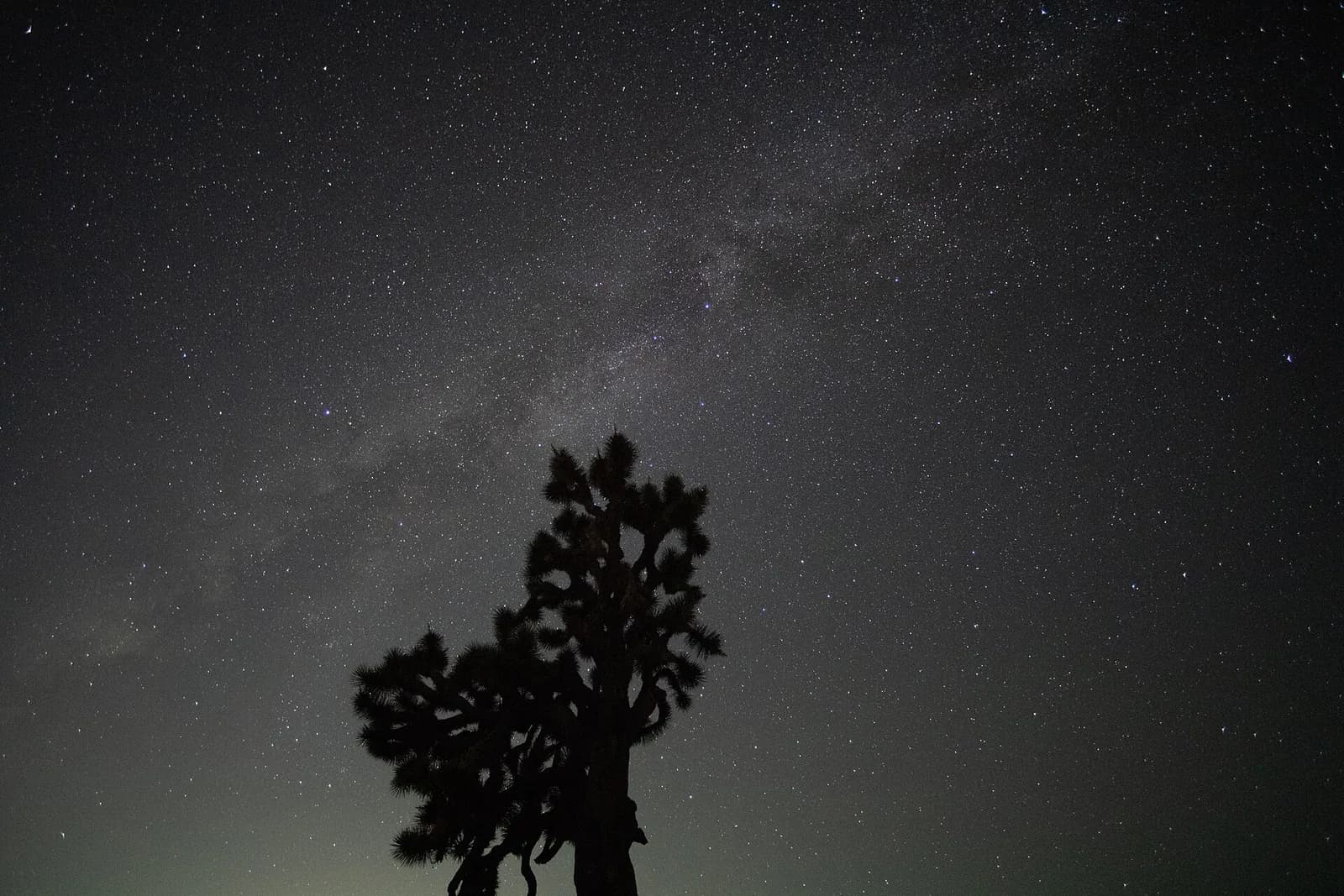
Joshua Tree National Park

Joshua Tree offers practical after-dark access, but the official lots, darker Pinto Basin corridor, crowds, and local weather create meaningful tradeoffs.

Start here: Choose an official lot or the Pinto Basin corridor before sunset.

Forecast scope: state-level signal for this destination area.

California

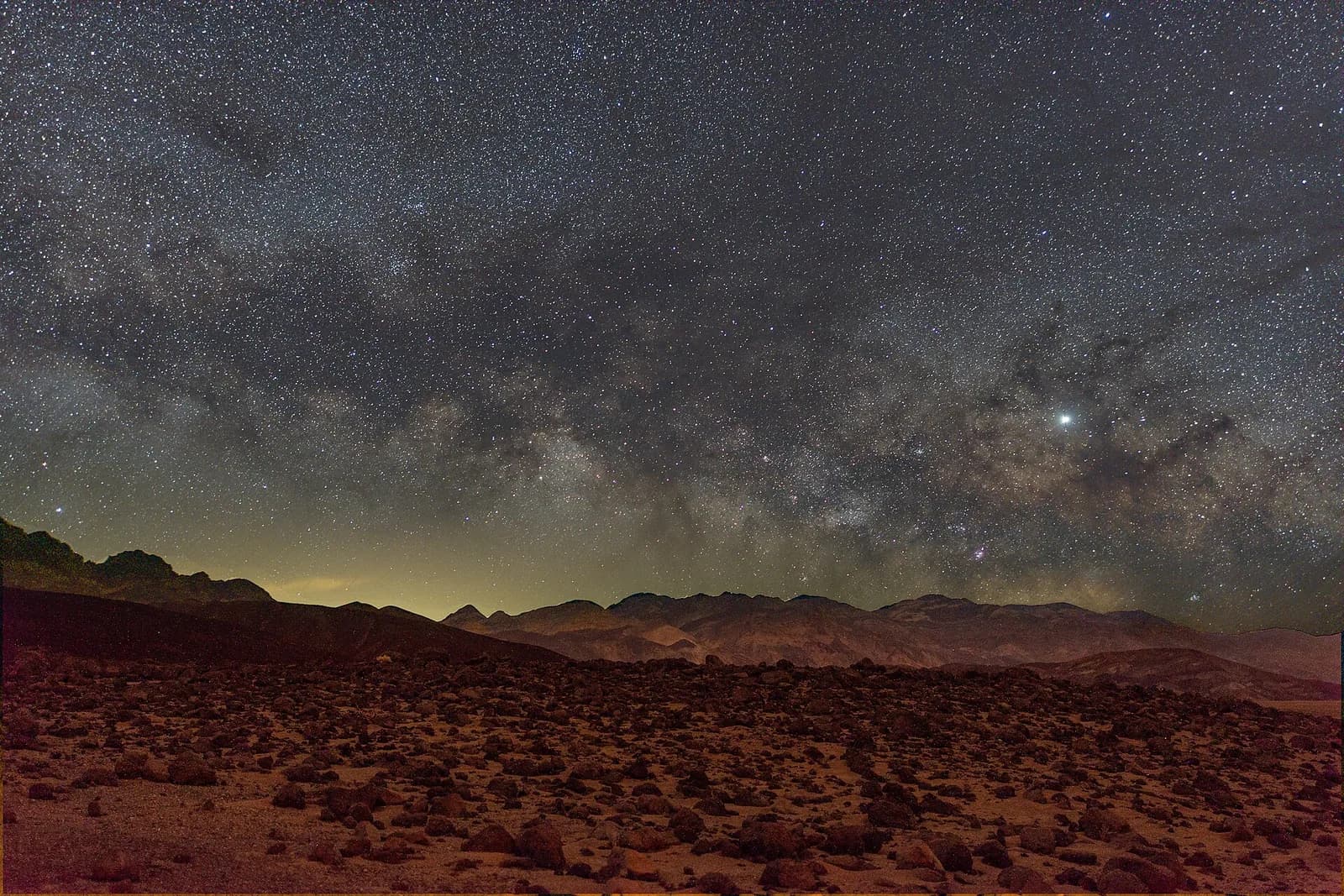
Death Valley National Park

Death Valley can deliver exceptional darkness, but heat, road status, long distances, and mountain-blocked horizons leave little room for a lazy plan.

Start here: Choose an established paved-road viewing location.

Forecast scope: state-level signal for this destination area.

Colorado

Great Sand Dunes National Park

Great Sand Dunes offers both dark-sky viewing and a strong moonlit landscape, while wind, storms, cold, and sand determine whether the night remains comfortable.

Start here: Arrive before dark and begin at the Main Dunes Parking Lot.

Forecast scope: state-level signal for this destination area.

Utah

Bryce Canyon National Park

Bryce Canyon combines established overlooks with high-elevation darkness, but cold, snow, road conditions, and cliff edges shape the safest plan.

Start here: Choose one paved viewpoint and arrive before full darkness.

Forecast scope: state-level signal for this destination area.

Pennsylvania

Cherry Springs State Park

Cherry Springs is built for astronomy, but the public area, campground, and overnight observation field have different purposes and rules.

Start here: Choose the correct viewing area for the type of visit you are making.

Forecast scope: state-level signal for this destination area.

Nevada

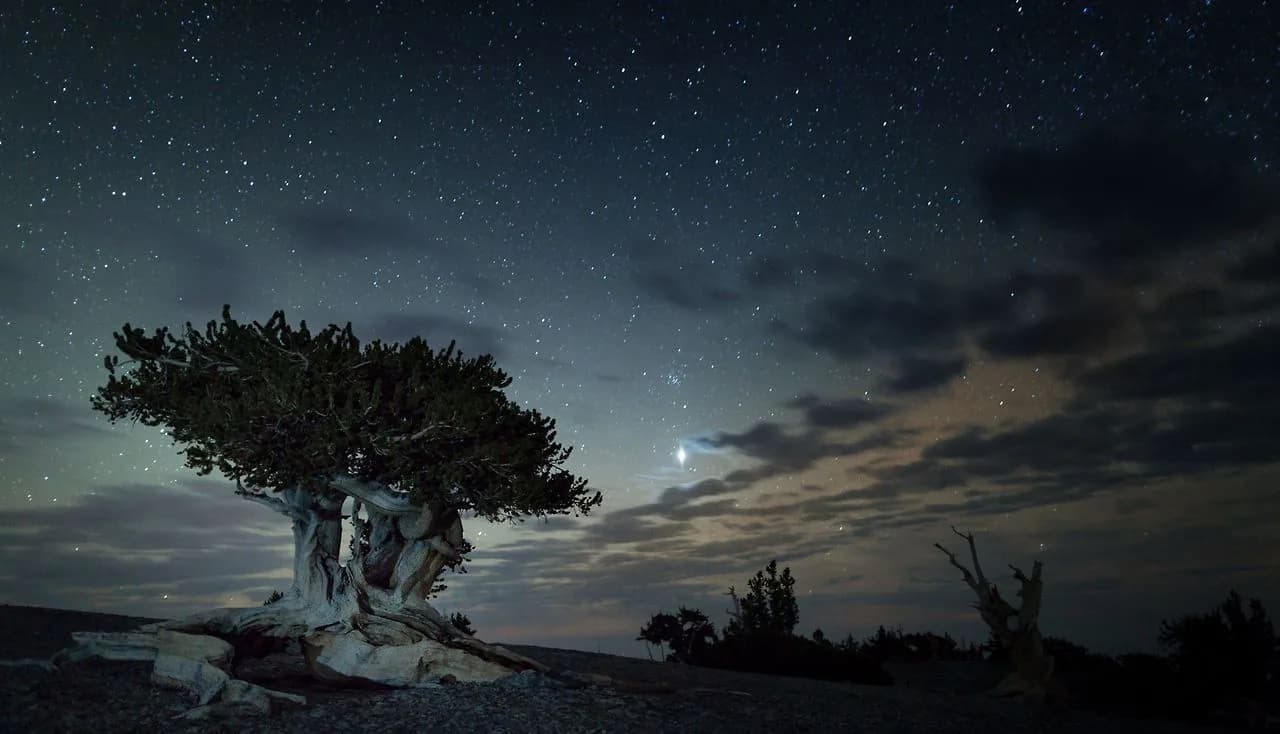
Great Basin National Park

Great Basin pairs exceptional darkness with high-elevation weather, seasonal roads, and limited services, so the viewing site and sleeping plan must be chosen together.

Start here: Choose a viewing site and a separate legal sleeping plan.

Forecast scope: state-level signal for this destination area.

Minnesota

Voyageurs National Park

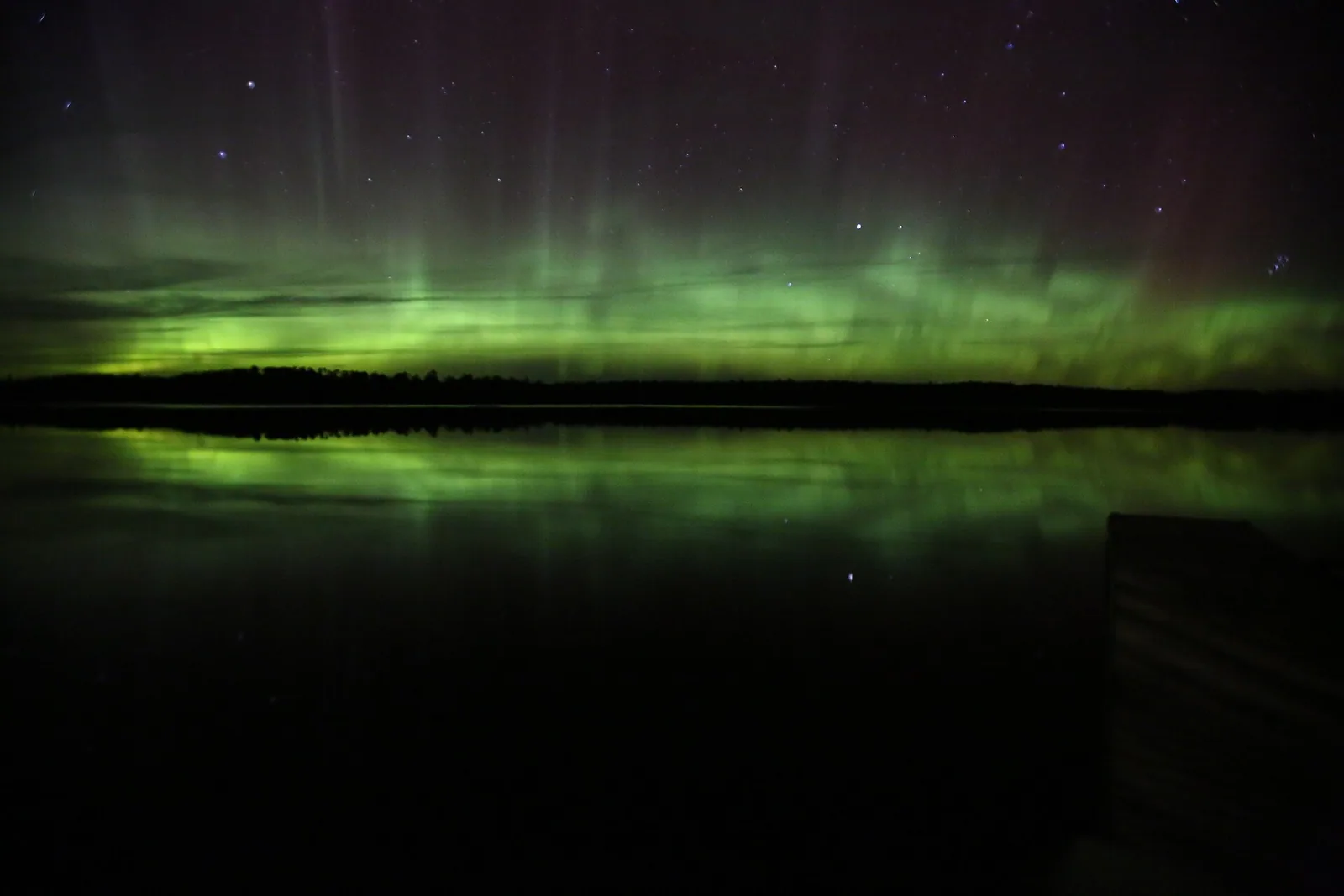
Voyageurs offers dark lake horizons and possible aurora, but access ranges from straightforward drive-up sites to locations that require water travel.

Start here: Choose a vehicle-accessible site before considering remote options.

Forecast scope: state-level signal for this destination area.

Utah

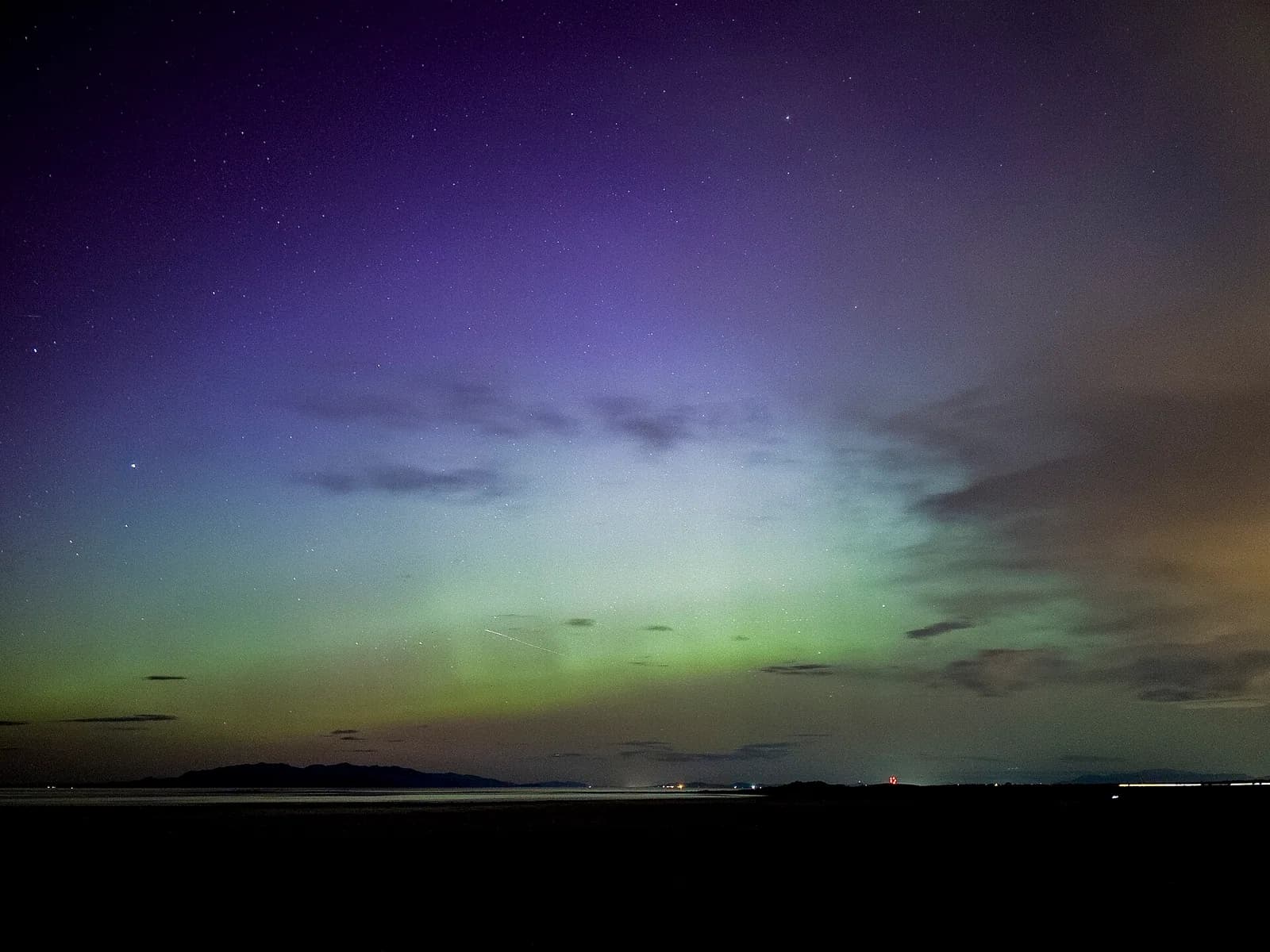
Antelope Island State Park

Antelope Island provides a meaningful darkness upgrade near Salt Lake City, but closing time, camping, insects, and the causeway determine the usable window.

Start here: Compare tonight's viewing window with the park's current closing time.

Forecast scope: state-level signal for this destination area.

Michigan

Headlands International Dark Sky Park

Headlands offers a broad Lake Michigan horizon for seasonal Milky Way viewing and possible aurora, while lake cloud and local operating rules remain decisive.

Start here: Check lake clouds and the latest local park notice.

Forecast scope: state-level signal for this destination area.