
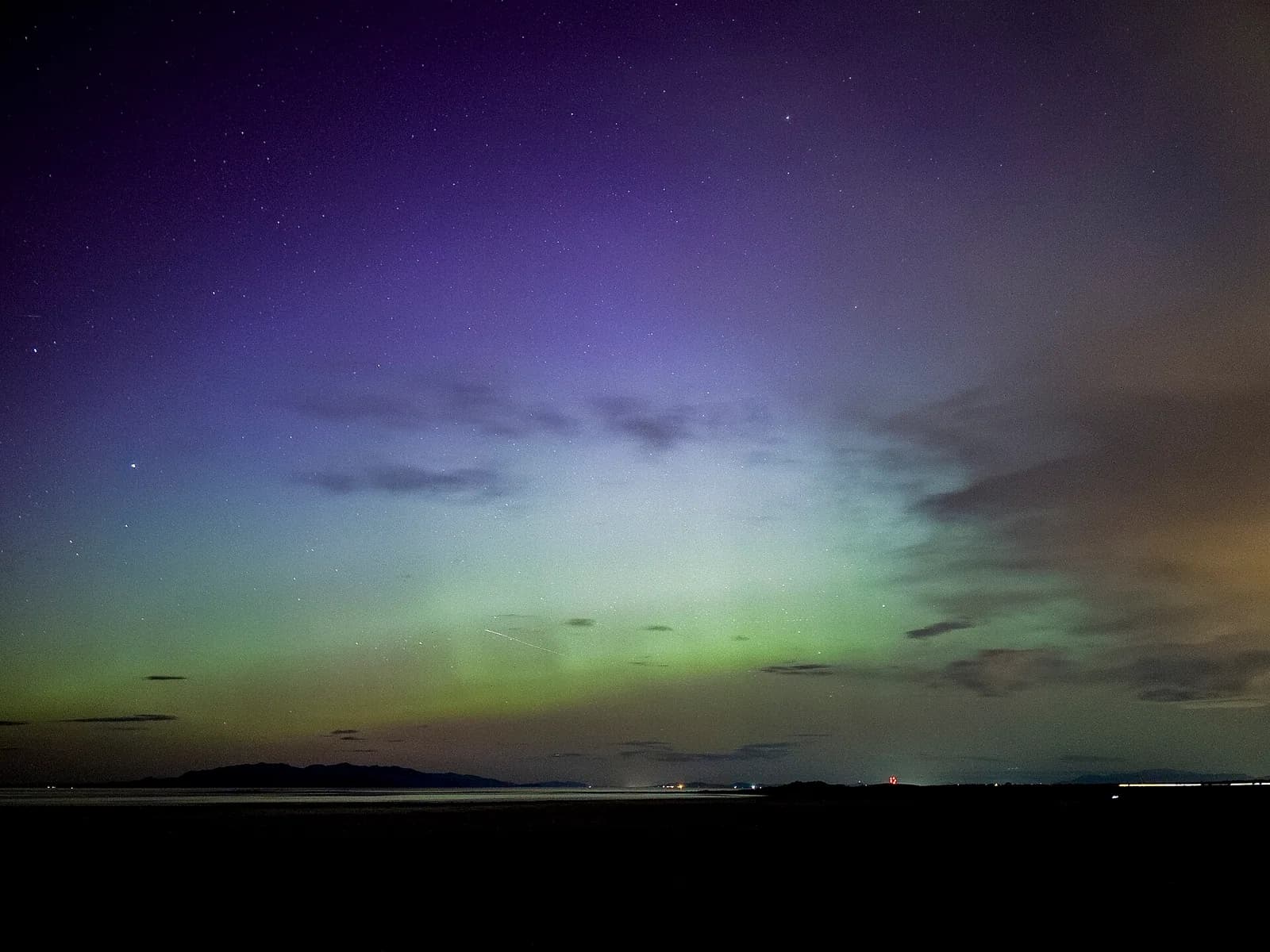
Is Antelope Island worth the trip for stargazing?
Antelope Island is worth considering when you want a darker sky near the Wasatch Front and can fit the useful window inside legal access. Its main limitation is the clock: ordinary day-use access ends at the published closing time, while later viewing requires camping or an organized after-hours event. Day-use hours are generally 6 a.m. to 10 p.m. A summer Milky Way window may extend beyond that. To stay later, you may need a campsite or an organized after-hours program.
The Star Window’s take
- Best for: Salt Lake City visitors, families, night photography and first dark-sky trips
- Main advantage: A designated dark-sky park within practical reach of the Salt Lake City area
- Main limitation: Day-use closing time, insects and limited late-night access
- Best first move: Compare the sky window with the park’s closing time before leaving
Is tonight worth the trip?
At Antelope Island, the forecast and the gate clock must agree. Go: Clear or mostly clear, useful darkness before closing and manageable insects and weather. Go with camping or an event: The best sky window falls after day-use hours and you have legal access. Choose another night: Heavy cloud, smoke, storms, severe insects or a sky window that begins after you must leave. Next step: Check tonight’s stargazing conditions
Where should you view?
Antelope Island is not one unrestricted overnight viewing field. Your legal options depend on the time, the program schedule and whether you have a campsite. For a normal evening visit, use an official day-use area and plan to leave before the published closing time. For later viewing, use a reserved campground or the exact location and access instructions attached to a current astronomy program. The causeway makes the park feel close to Salt Lake City, but Utah State Parks warns that rideshare operators do not pick up from the park. Plan your own return transportation, fuel and gate timing before sunset.
What makes the trip worthwhile
Antelope Island’s value is the combination of darker conditions and relatively straightforward access from the Wasatch Front. It is not a substitute for every remote Utah site. The decision is whether the available dark window fits inside legal access and whether the target benefits from the improvement.
What will the sky look like?
Under a clear, low-Moon sky, Antelope Island can show a dense star field, bright planets, constellations and the Milky Way in season. The nearby metro area creates some sky glow, especially toward developed horizons. Give your eyes time to adjust and position yourself away from direct vehicle or facility lights when the official viewing area allows it. The park does not need to match the most remote Utah desert to be useful. On a bright-Moon night, the lake and island landscape may become the stronger reason to go, while a low-Moon window is better for faint stars and Milky Way contrast.
By equipment
Naked eye: Best for the broad sky, meteors and first-time viewing. Binoculars: More stars and clusters without much setup. Telescope: Useful at programs or stable developed areas. Camera: Strong lake, shoreline and island foregrounds.
What can spoil the night?
- Day-use closing before the best sky window
- Gnats, mosquitoes and other insects
- Smoke or haze over the Great Salt Lake
- Wind and rapid weather changes
- Assuming camping is available without a reservation
- Depending on rideshare service for the return
Access, hours and camping
The park’s published day-use hours are generally 6 a.m. to 10 p.m. Camping and organized after-hours events can allow later legal access under their own rules. Compare sunset, astronomical darkness and the best Moon window with the closing time before driving. During part of summer, the deepest darkness may begin close to—or after—the day-use cutoff. Check the official Utah State Parks dark-sky page and the main park page before leaving. Recheck gate hours, campground availability, events, causeway conditions and seasonal insect notices.
Safety and final checks
- Compare Moon and cloud timing with the park’s closing time.
- Confirm camping or event access if staying later.
- Check insects, smoke, wind and causeway conditions.
- Bring water, layers, insect protection and a dim red light.
- Save maps and plan your own transportation home.
What should you do if conditions change?
If the best darkness begins after day-use closing, do not rush the session. Reserve camping, attend a legal program or choose another night with an earlier dark window.
Frequently asked questions
Is Antelope Island good for stargazing?
Yes. It is an International Dark Sky Park within practical reach of the Salt Lake City area. A useful trip still depends on clouds, smoke or haze, Moon timing, wind, insects, the published closing time and whether your chosen target benefits from darker conditions.
Is the park open all night?
No. Utah State Parks currently lists ordinary park hours as 6 a.m. to 10 p.m., with occasional event-specific changes. Camping and organized after-hours programs follow separate access rules, so recheck the official page before every late visit.
Can you see the Milky Way?
It may be visible when the relevant part of the Milky Way is seasonally above the horizon and the sky is clear, dark and low in moonlight. Nearby metro skyglow can affect one horizon, so use the date-specific planner and choose the viewing direction carefully.
Do you need to camp for late-night viewing?
You need a legal after-hours option when the desired window extends beyond normal day-use access. That may be a reserved campsite or a current organized program. Do not assume a normal day-use visit allows you to remain after closing.
Are insects a real issue?
They can be seasonally significant around the Great Salt Lake. Check current park conditions, bring suitable protection and keep the plan flexible when insects would make a long stationary session uncomfortable.
Can a rideshare pick you up from the park?
Do not plan on it. Utah State Parks states that rideshare operators do not pick up from Antelope Island. Arrange your own transportation and make sure the vehicle, gate timing and return driver are settled before dark.
Does a full Moon ruin the trip?
No. It weakens faint stars and Milky Way contrast, but it can make the shoreline and island landscape easier to appreciate. Choose a low-Moon date for faint-sky goals and a brighter night when the landscape is part of the plan.
Official sources
Official hours, access and transportation guidance rechecked July 28, 2026. Source check completed July 28, 2026. Recheck current official alerts before travel.