
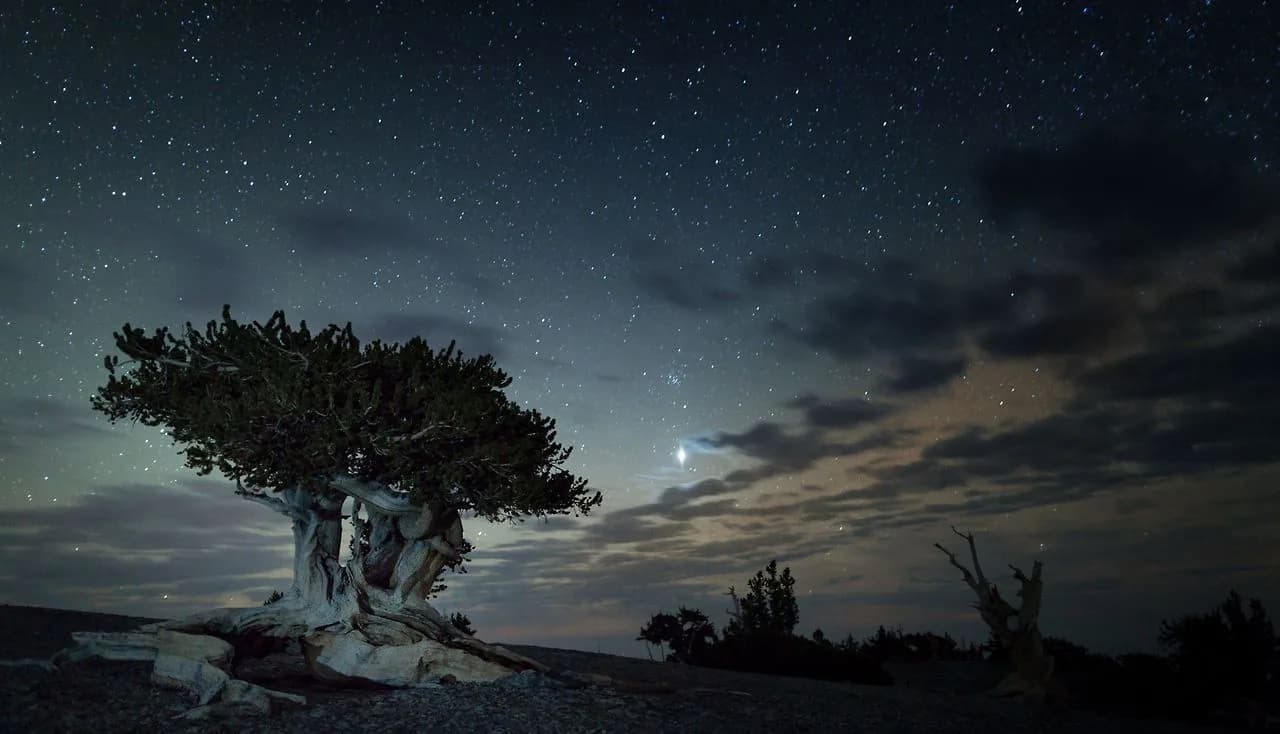
Is Great Basin worth the trip?
Great Basin is worth considering when you want a very dark sky and can plan around elevation, cold and seasonal road access. The viewing area is only half of the decision; you also need a legal place to sleep after the session. NPS lists several viewing sites, but those sites are not overnight campsites. Finish the observing session with a legal campground or lodging plan.
The Star Window’s take
- Best for: Serious dark-sky travel, Milky Way viewing and astronomy programs
- Main advantage: Exceptional darkness and several official sites
- Main limitation: Elevation, cold, seasonal roads and limited services
- Best first move: Choose a viewing site and separate sleeping plan
Is tonight worth it?
Go: Clear sky, open roads and manageable wind and temperature. Go for a shorter session: Bright Moon or cold, but safe access and bright targets remain. Choose another night: Snow, road closures, dangerous wind, heavy cloud or no legal overnight plan. Next step: Check tonight’s stargazing conditions
Where should you view?
Great Basin’s viewing sites solve different problems. Some give you a developed astronomy setting, while others keep you lower when mountain roads or cold make the higher options less practical.
Astronomy Amphitheater
A natural first choice when an organized program, clear setup area or developed astronomy setting matters. Check the calendar, road status and seasonal access before building the evening around a ranger event.
Mather Overlook
A formal overlook that removes the need to search for a roadside spot. Its elevation can bring colder temperatures and seasonal road concerns, so recheck snow, wind and access before leaving.
Baker Archaeological Site
A lower official option that may be easier when high-elevation roads are poor. It also keeps the trip closer to the Baker side of the park and may reduce late-night mountain driving.
Ranching Exhibit
Another named official viewing site that can serve as a lower-elevation alternative. Confirm current access and parking rather than assuming every exhibit area functions the same after dark. None of these viewing areas should be treated as an overnight campsite. The viewing decision and sleeping decision must be made separately.
What will you see?
Under clear, low-Moon conditions, Great Basin can show a dense naked-eye star field and the Milky Way when its brighter seasonal section is above the horizon. Bright planets, clusters and deep-sky targets should appear only through a date- and location-verified target list. Darkness does most of the work for the broad naked-eye experience. Elevation changes temperature, wind and road access; it does not guarantee better transparency or steadier air on every night. Check which targets are above the horizon during your planned viewing window.
What can spoil the night?
- High-elevation cold and wind
- Seasonal road closures or snow
- Confusing a viewing area with a campsite
- Limited fuel, food and cell service
- A low target hidden by mountains
Access and overnight planning
Self-guided viewing is supported, but the listed viewing sites do not allow overnight camping. Use a legal campground or lodging after the session. Build the evening in this order: choose the site, confirm the road, confirm the temperature and wind, then confirm where you will sleep. A perfect sky is not a complete plan if the route closes or the viewing area cannot be used overnight. Check the official NPS stargazing page and current conditions before leaving.
Safety and final checks
- Check road, snow, wind and temperature.
- Choose both the viewing site and sleeping location.
- Bring warm layers and save maps offline.
- Fill the tank before remote travel.
- Arrive before dark when roads or parking are unfamiliar.
What should you do if conditions change?
If high-elevation roads are poor, consider a lower official site such as Baker Archaeological Site, subject to current conditions. Do not improvise an overnight stay at the viewing area.
Frequently asked questions
Is Great Basin good for stargazing?
Yes. It is an International Dark Sky Park with several named viewing sites. A useful trip still depends on clouds, Moon timing, smoke or haze, wind, temperature, road conditions and a legal overnight plan.
Can you sleep at the viewing sites?
No. The named observing areas are not overnight campsites. Use a legal campground or lodging and treat the viewing location and sleeping location as two separate decisions.
Where should beginners go?
The Astronomy Amphitheater or Mather Overlook provide clear named destinations, subject to current road and seasonal access. A lower official site may be the better choice when mountain roads, snow or cold make higher areas impractical.
Can you see the Milky Way?
It may be visible when the relevant part of the Milky Way is seasonally above the horizon and the sky is clear, dark and low in moonlight. Use the date-specific planner for timing rather than treating the park’s darkness as a year-round guarantee.
Are astronomy programs always available?
No. Program dates, locations and telescope availability change. Check the current NPS calendar before building the trip around a ranger-led event.
Official sources
Source check completed July 28, 2026. Recheck current official alerts before travel.